
Violin Museum and Marconi Square
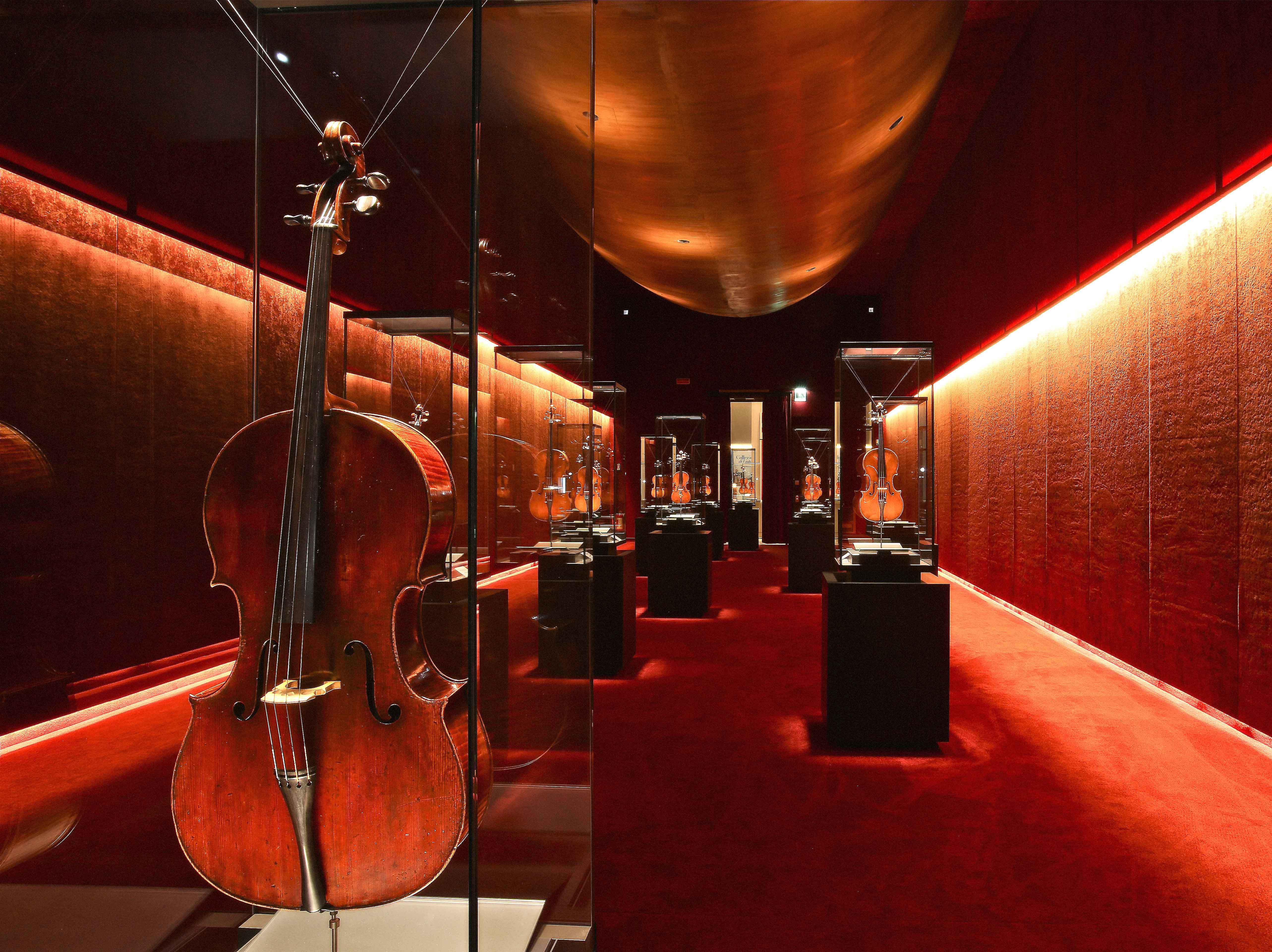
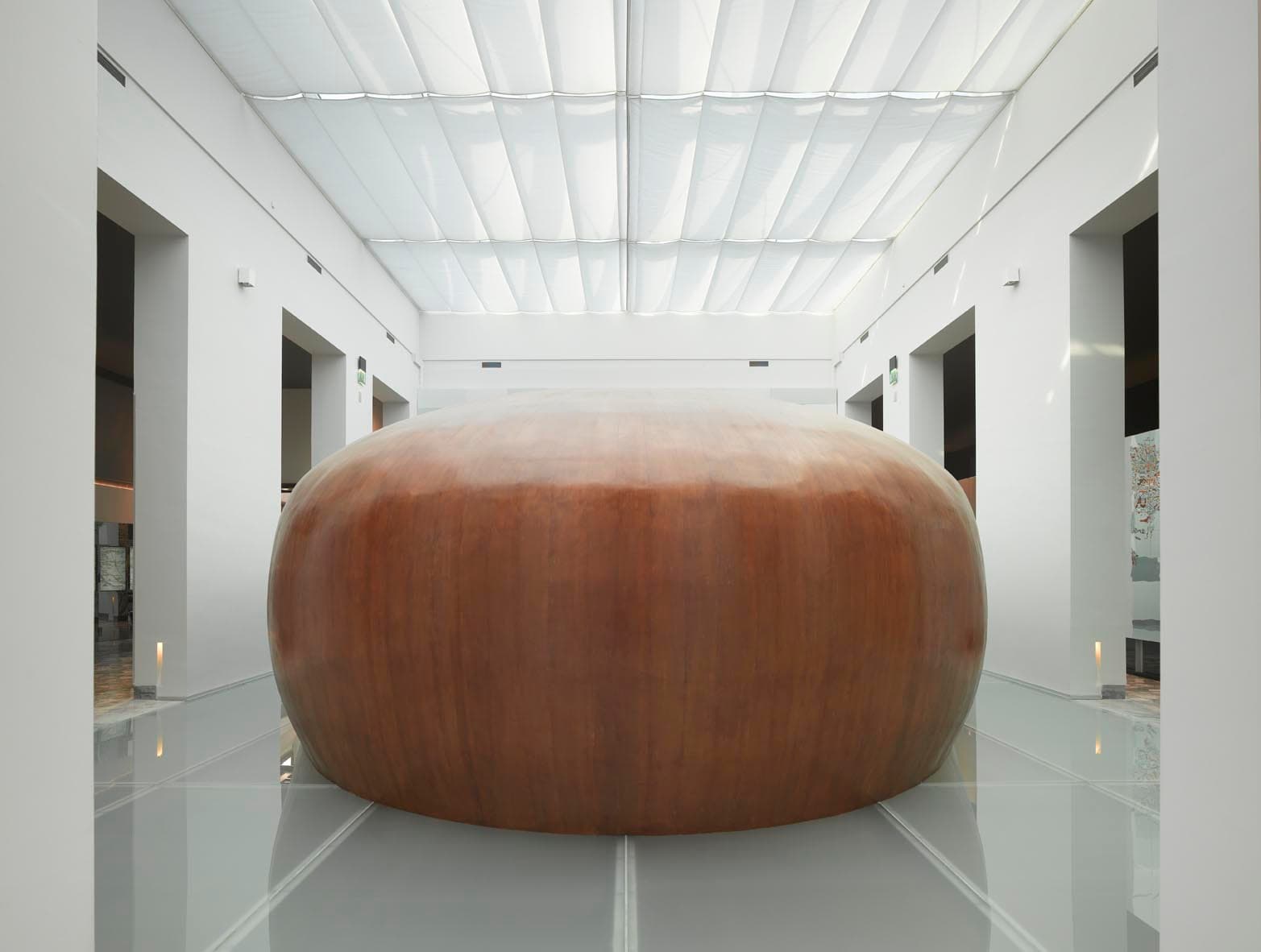
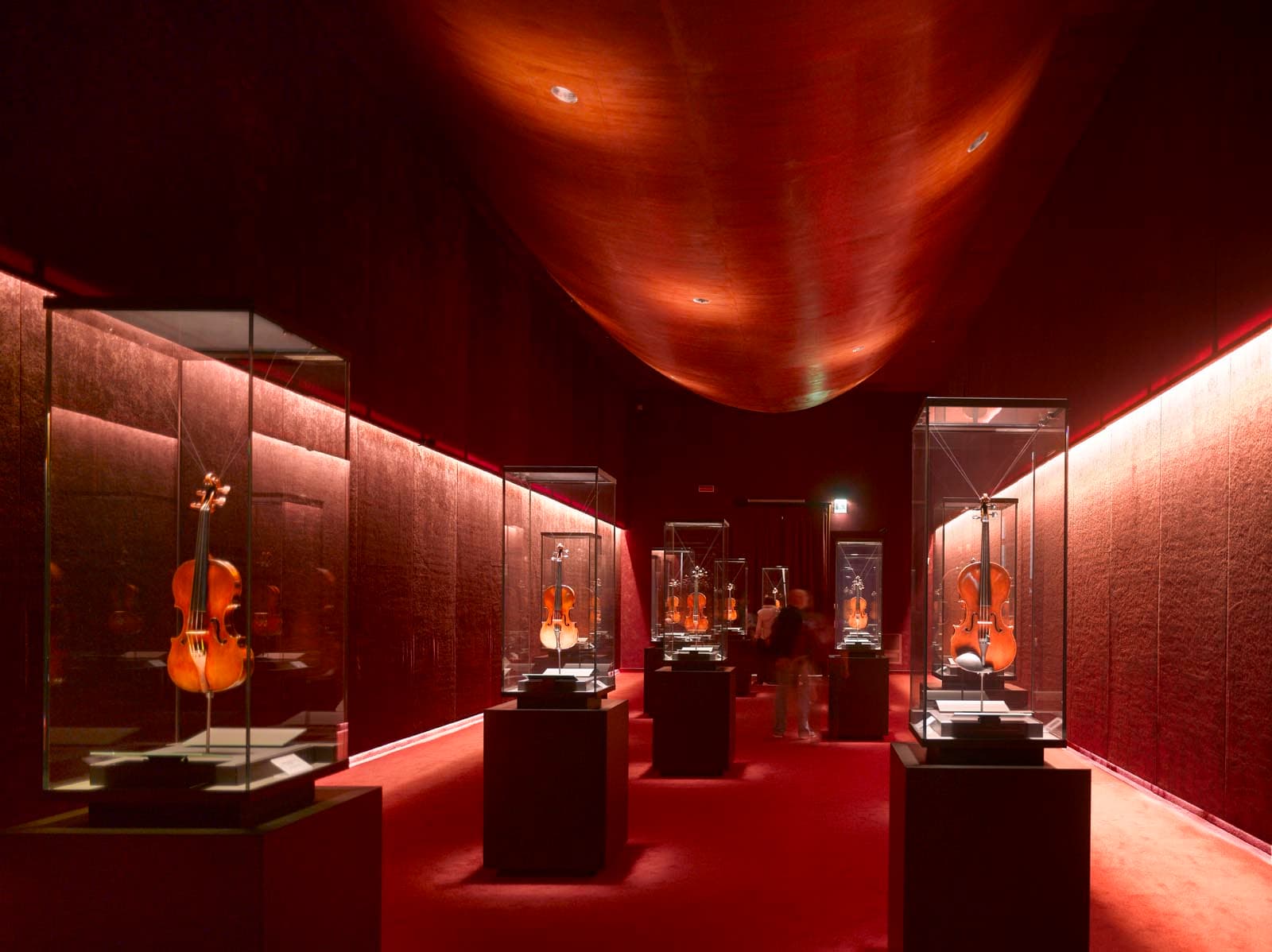
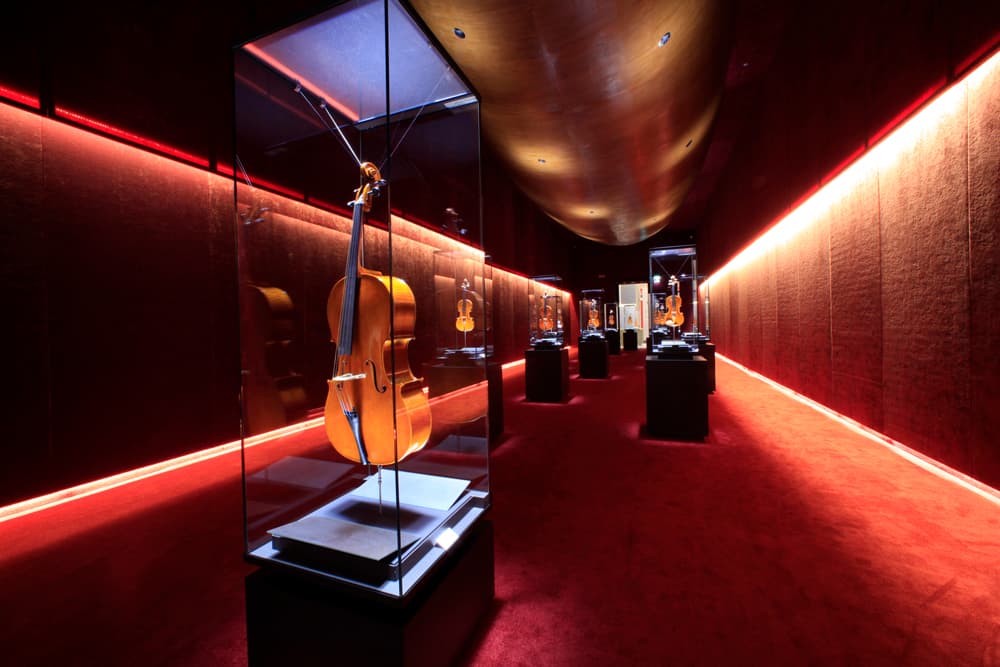
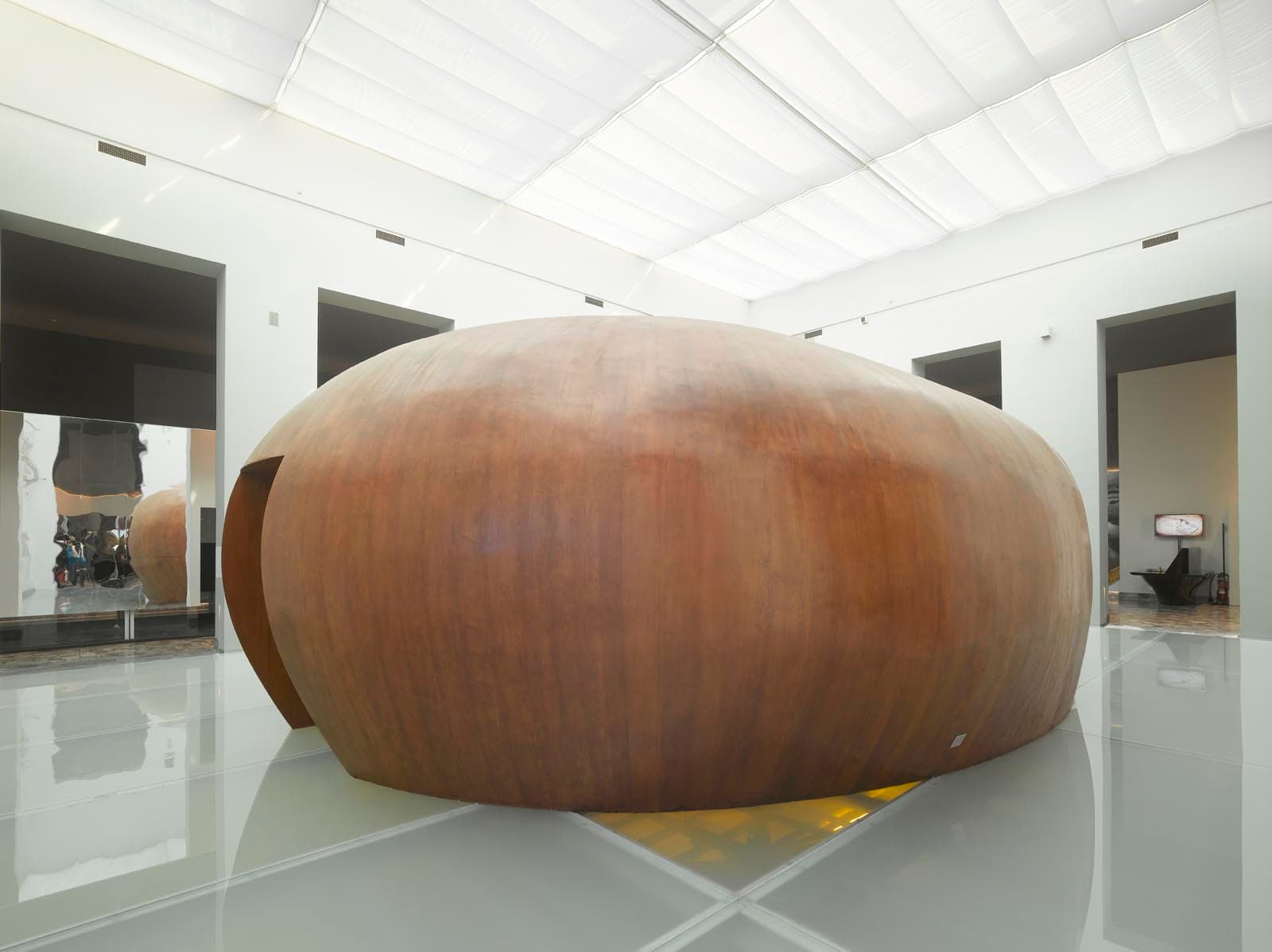
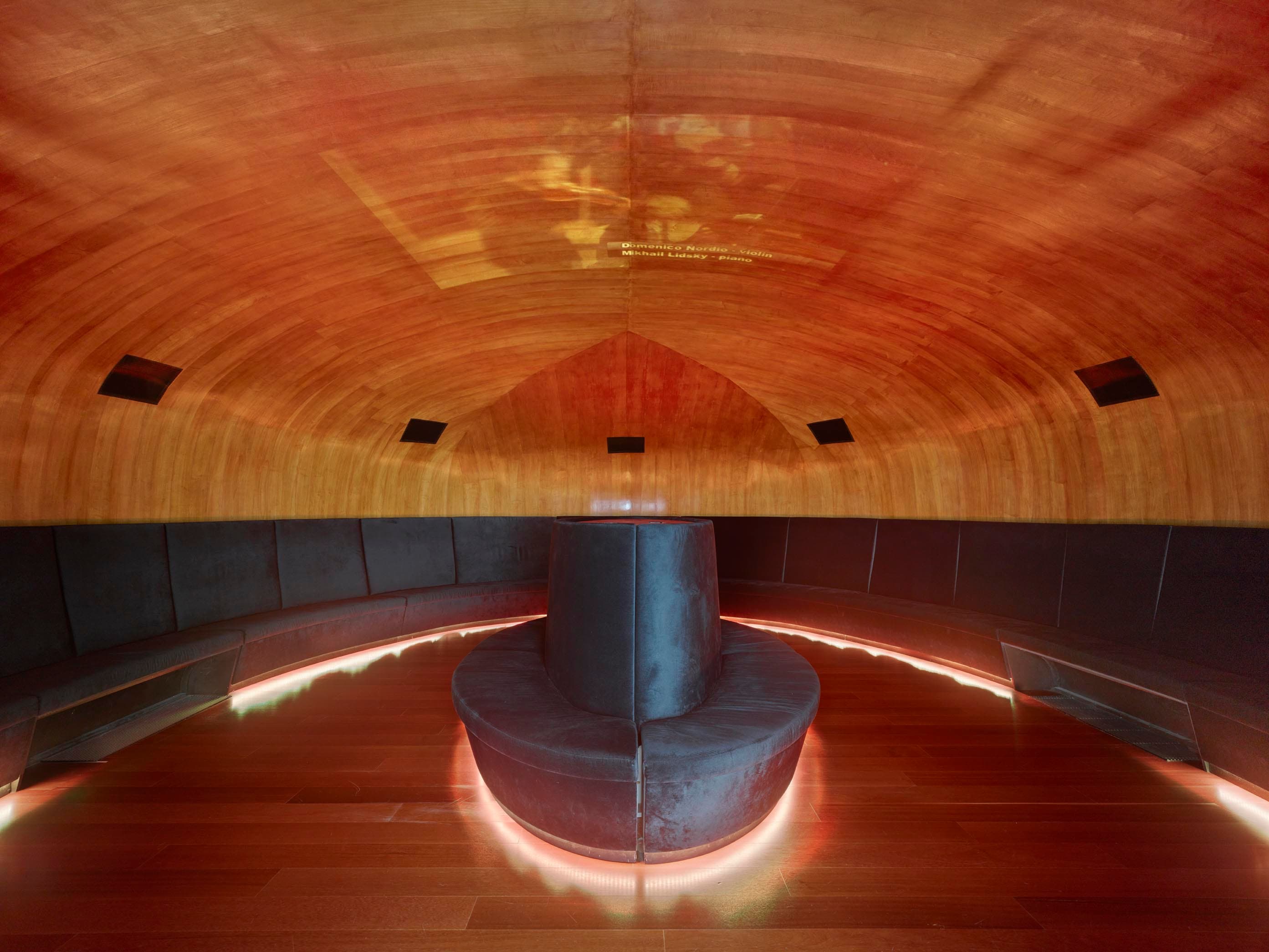
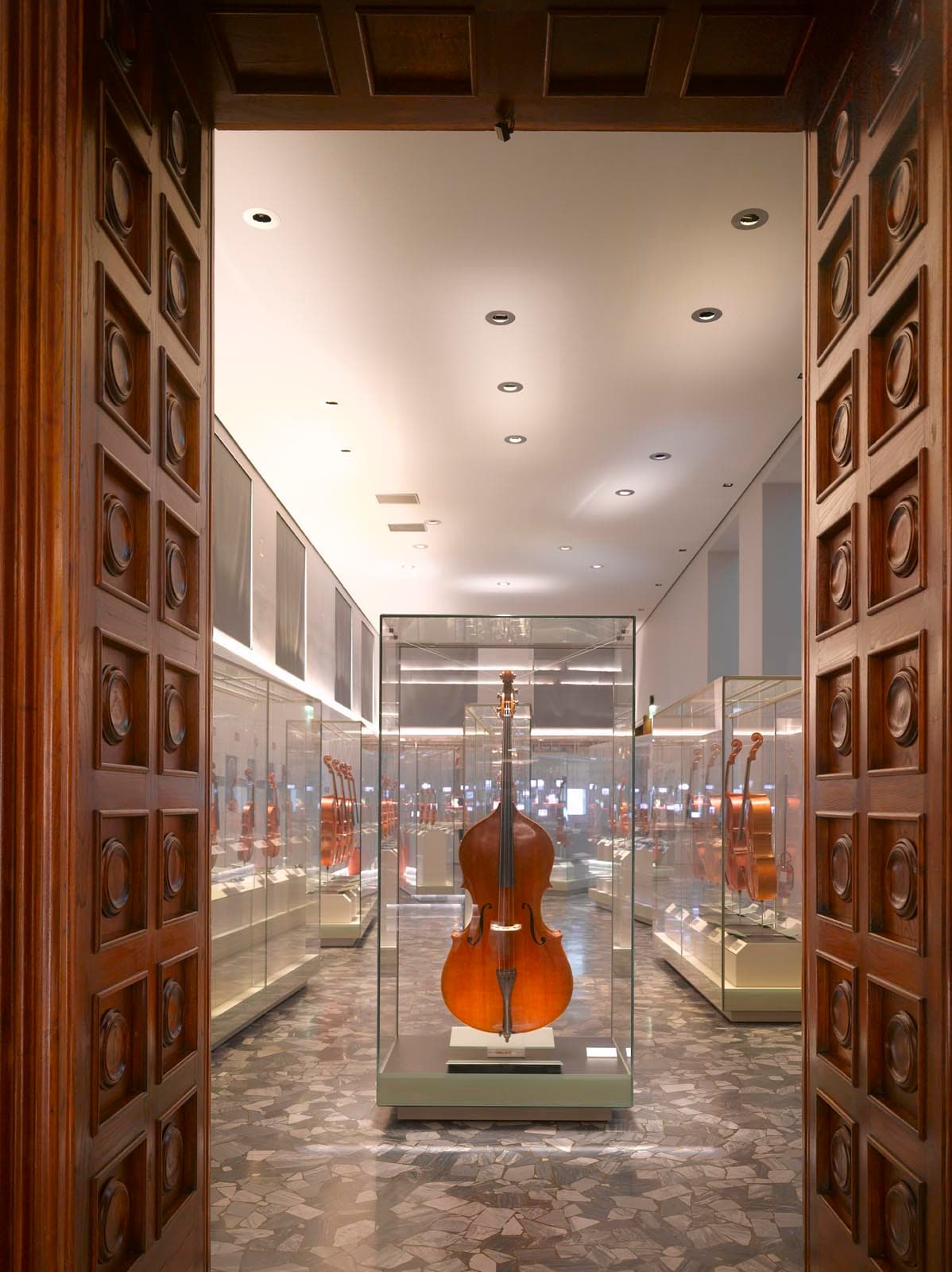
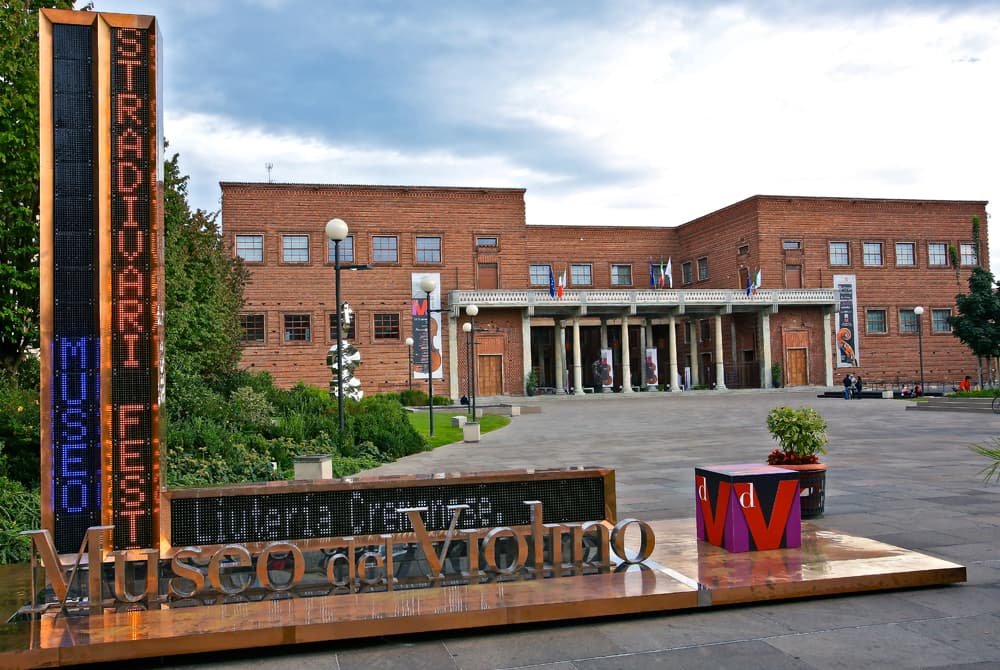
MuseumThis configuration gives it vitality and constant renewed interest. By returning Palazzo dell'Arte to its specific exhibition functions and renewing the square that is its natural anticipation, the architectural project reasons on bipolarity: Palazzo dell'Arte and Marconi Square, architecture and its reference space: a square in which public attendance is encouraged, a space of accentuation of the elements characterizing the function of Palazzo dell'Arte that becomes a place of museums, violin making and music. The reflection between rationality, tradition and courtliness makes Palazzo dell'Arte a privileged field of architectural design, in which to carefully balance the stimuli of contemporaneity. The project fits shrewdly into the building: the goal is to constitute a high-level of coexistence among the multiple elements that are concatenated in Palazzo dell'Arte.
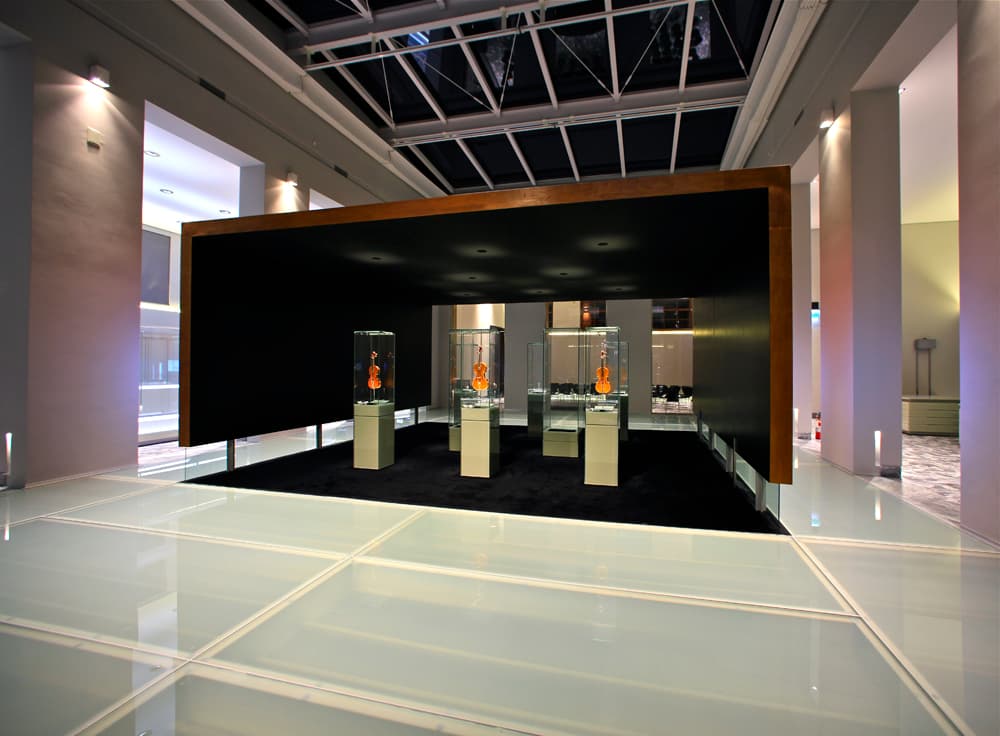
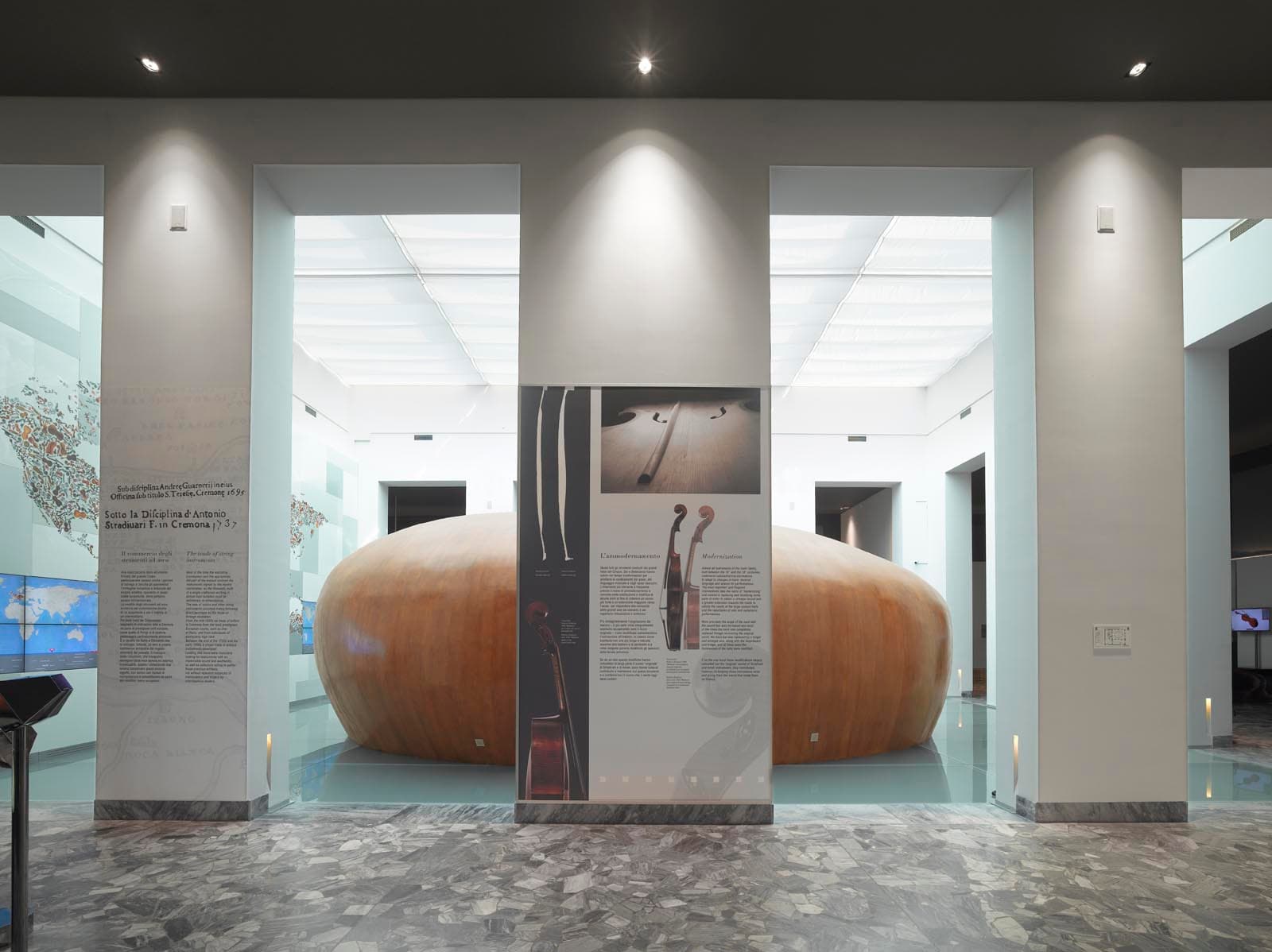
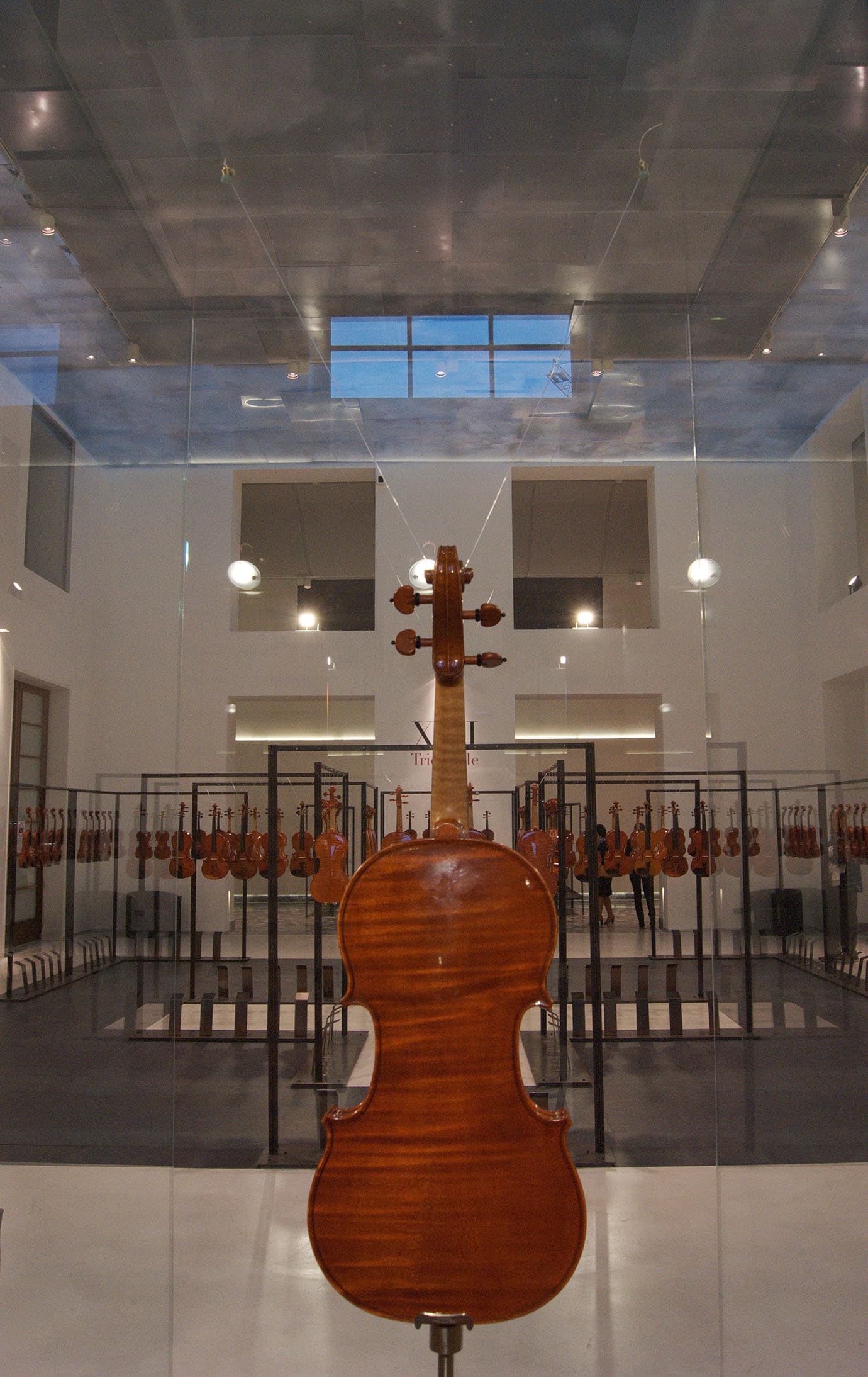
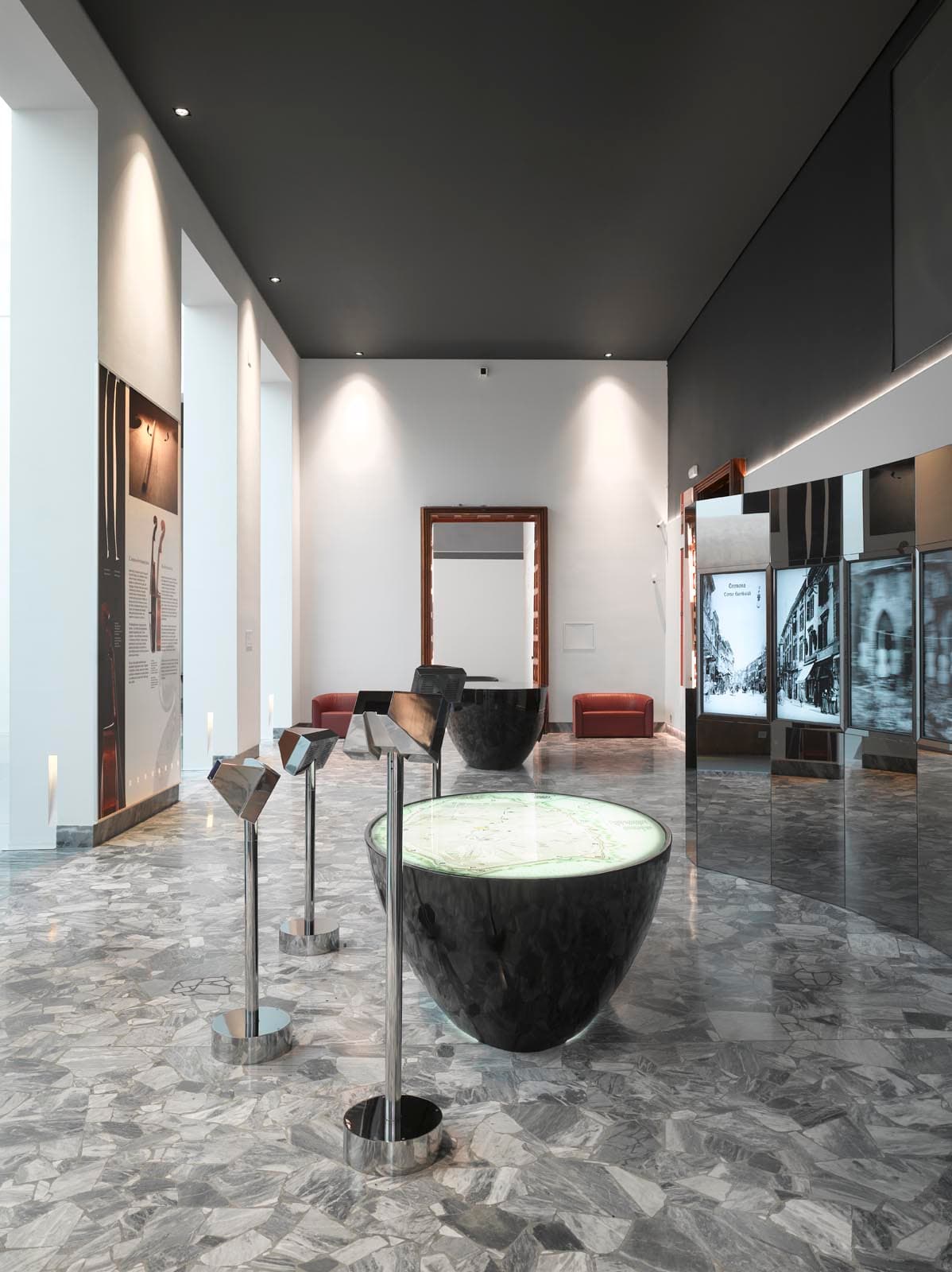
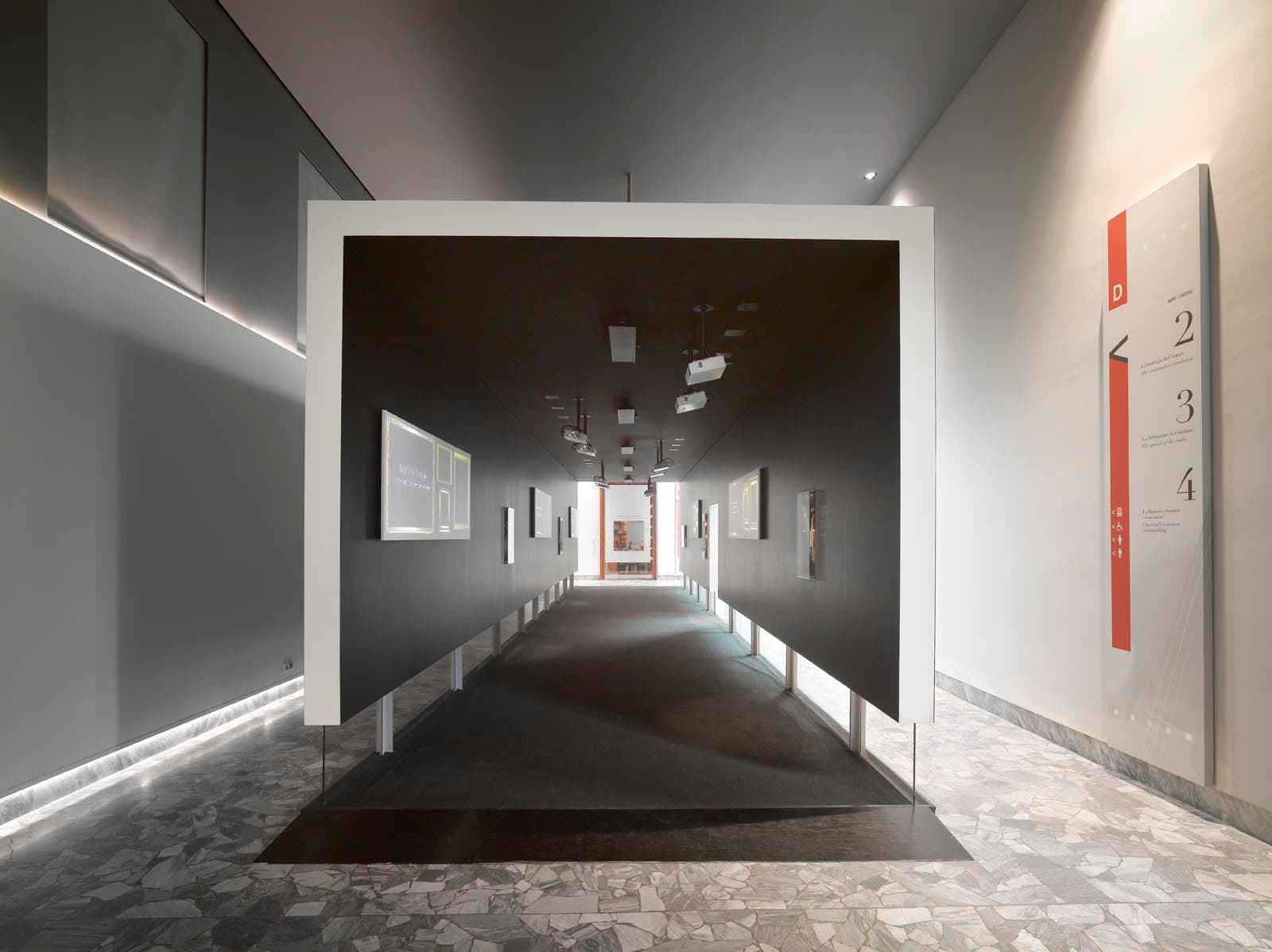
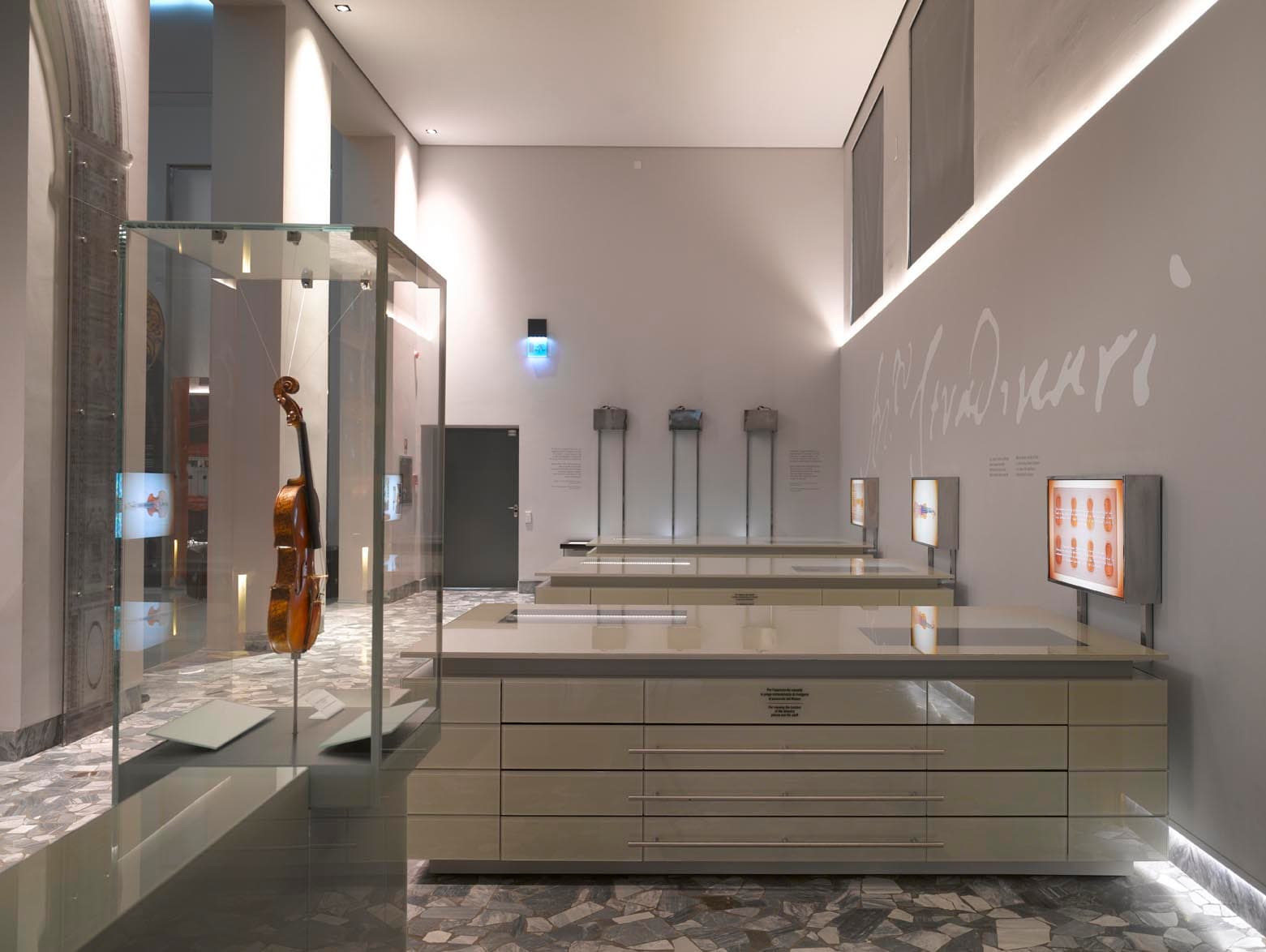
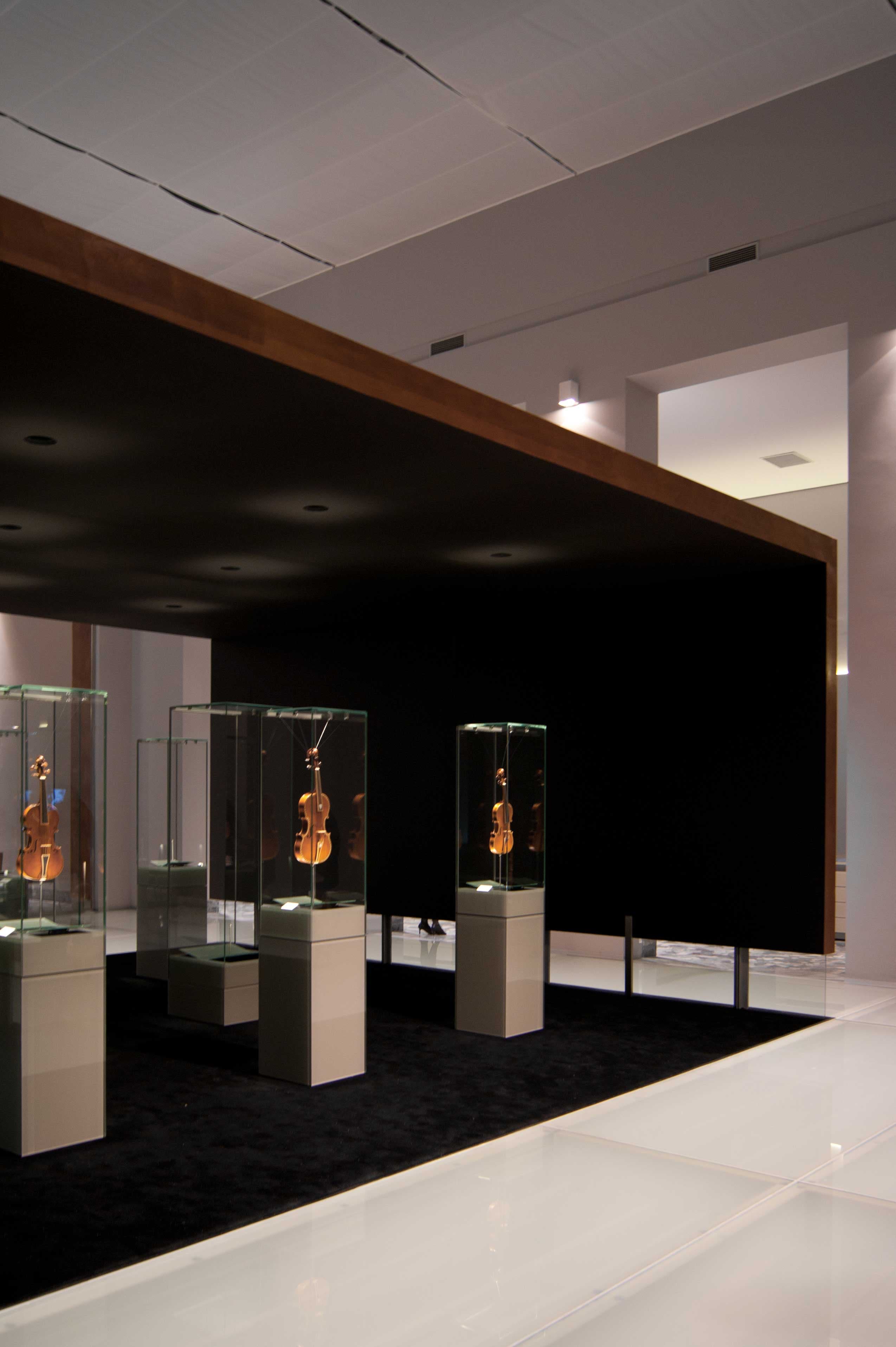
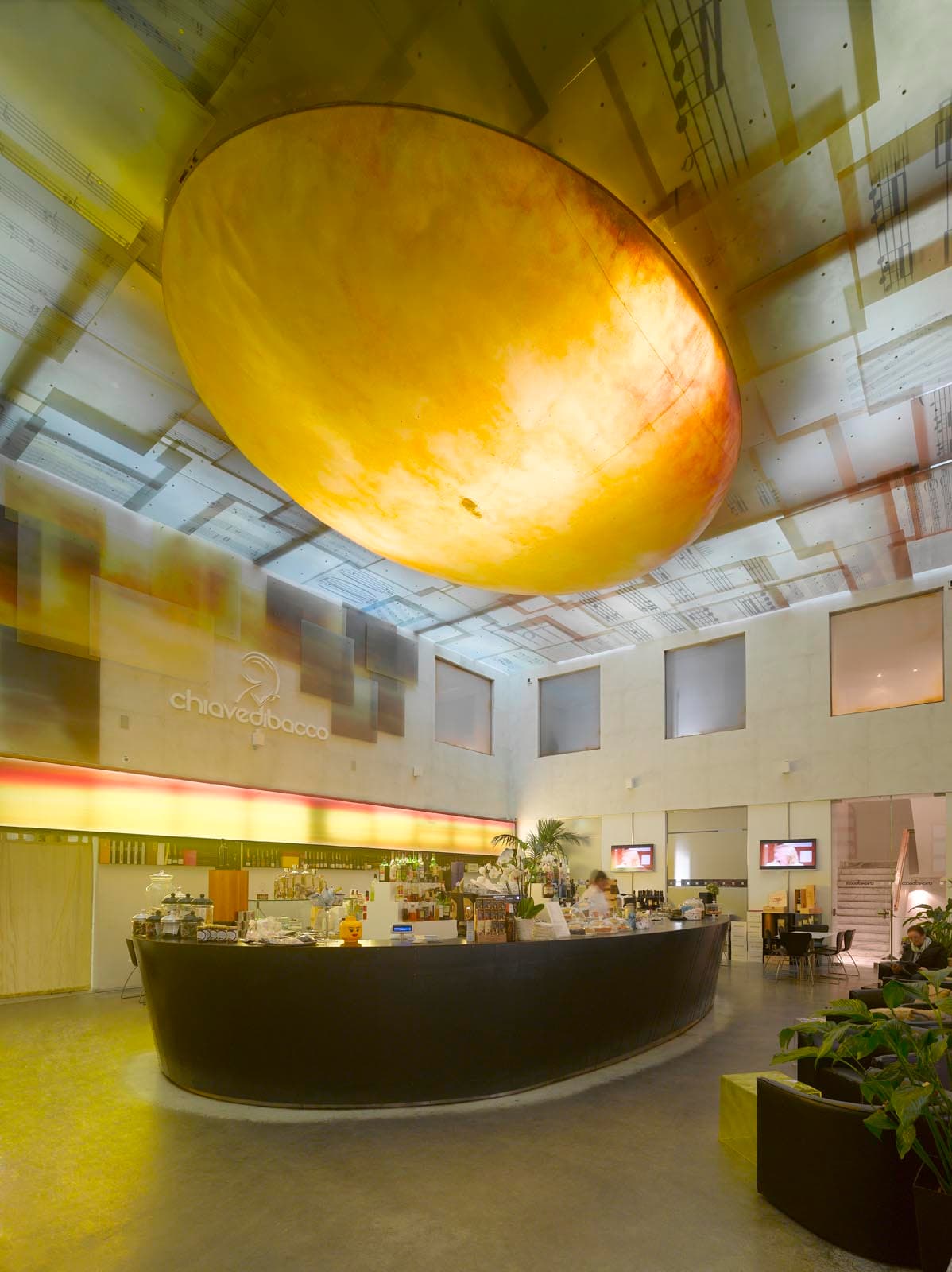
The architectural project connects a multitude of individual presences such as: the violin-making museums, the Contemporary Art Pavilion, the Auditorium for 485 seats, the needs prospected by multimedia, as an approach to the content of the museums and as a specific experience of the visitor. All of these entities are thus united in a complex, sectional, repeatable itinerary of knowledge and in a tendential circularity that crosses the building and enhances its focal places. (ph. Roland Halbe)
This configuration gives it vitality and constant renewed interest. By returning Palazzo dell'Arte to its specific exhibition functions and renewing the square that is its natural anticipation, the architectural project reasons on bipolarity: Palazzo dell'Arte and Marconi Square, architecture and its reference space: a square in which public attendance is encouraged, a space of accentuation of the elements characterizing the function of Palazzo dell'Arte that becomes a place of museums, violin making and music. The reflection between rationality, tradition and courtliness makes Palazzo dell'Arte a privileged field of architectural design, in which to carefully balance the stimuli of contemporaneity. The project fits shrewdly into the building: the goal is to constitute a high-level of coexistence among the multiple elements that are concatenated in Palazzo dell'Arte.
The architectural project connects a multitude of individual presences such as: the violin-making museums, the Contemporary Art Pavilion, the Auditorium for 485 seats, the needs prospected by multimedia, as an approach to the content of the museums and as a specific experience of the visitor. All of these entities are thus united in a complex, sectional, repeatable itinerary of knowledge and in a tendential circularity that crosses the building and enhances its focal places. (ph. Roland Halbe)
.jpg&w=3840&q=75)
.jpg&w=3840&q=75)
.jpg&w=3840&q=75)
.jpg&w=3840&q=75)
.jpg&w=3840&q=75)
.jpg&w=3840&q=75)
.jpg&w=3840&q=75)
.jpg&w=3840&q=75)
.jpg&w=3840&q=75)
.jpg&w=2048&q=75)
